Caring for an aging loved one is one of the greatest acts of love and commitment a family can offer. But it’s also a responsibility that carries emotional, physical, and practical challenges. For many families, the decision to bring in home care is not easy, it often comes after a crisis such as a fall, a hospital visit, or caregiver exhaustion.
Yet, waiting until an emergency strikes can make the transition more stressful for everyone involved. By noticing the early signs, families can plan ahead, ensuring their loved one receives the right support while maintaining dignity, independence, and safety at home.
Here are five signs that it may be time to consider home care:
1. Struggles with Daily Living Activities (ADLs)
Daily living activities such as bathing, dressing, preparing meals, managing personal hygiene, and moving safely around the home are cornerstones of independence. But as physical strength and mobility decline, these once simple tasks can become overwhelming.
Warning Signs to watch for:
- Wearing the same clothes for multiple days
- Difficulty standing from a chair or bed
- Skipping meals or relying heavily on processed snacks
- Unkempt hair, nails, or general hygiene
Why it matters:
Difficulty with ADLs not only affects health and nutrition but also chips away at confidence. Professional caregivers can step in with gentle, respectful assistance that helps seniors feel supported rather than diminished.
2. Noticeable Changes in Health or Mobility
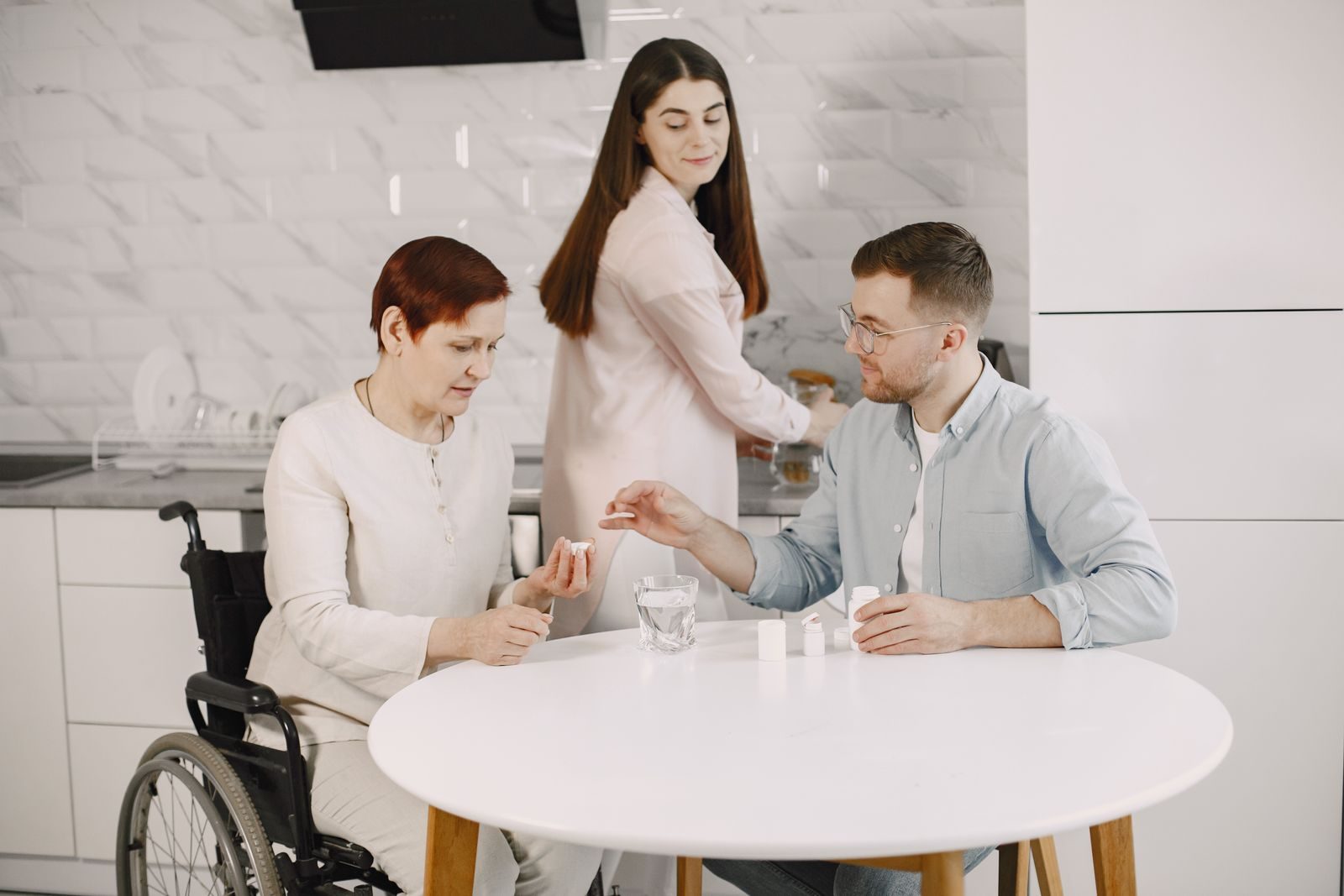
Health issues often progress gradually, making them easy to dismiss until they reach a dangerous tipping point. Recurrent falls, weight loss, confusion about medications, or worsening chronic conditions can signal the need for consistent care.
Red flags include:
- Increased number of doctor visits or hospital stays
- Forgetting or doubling up on medications
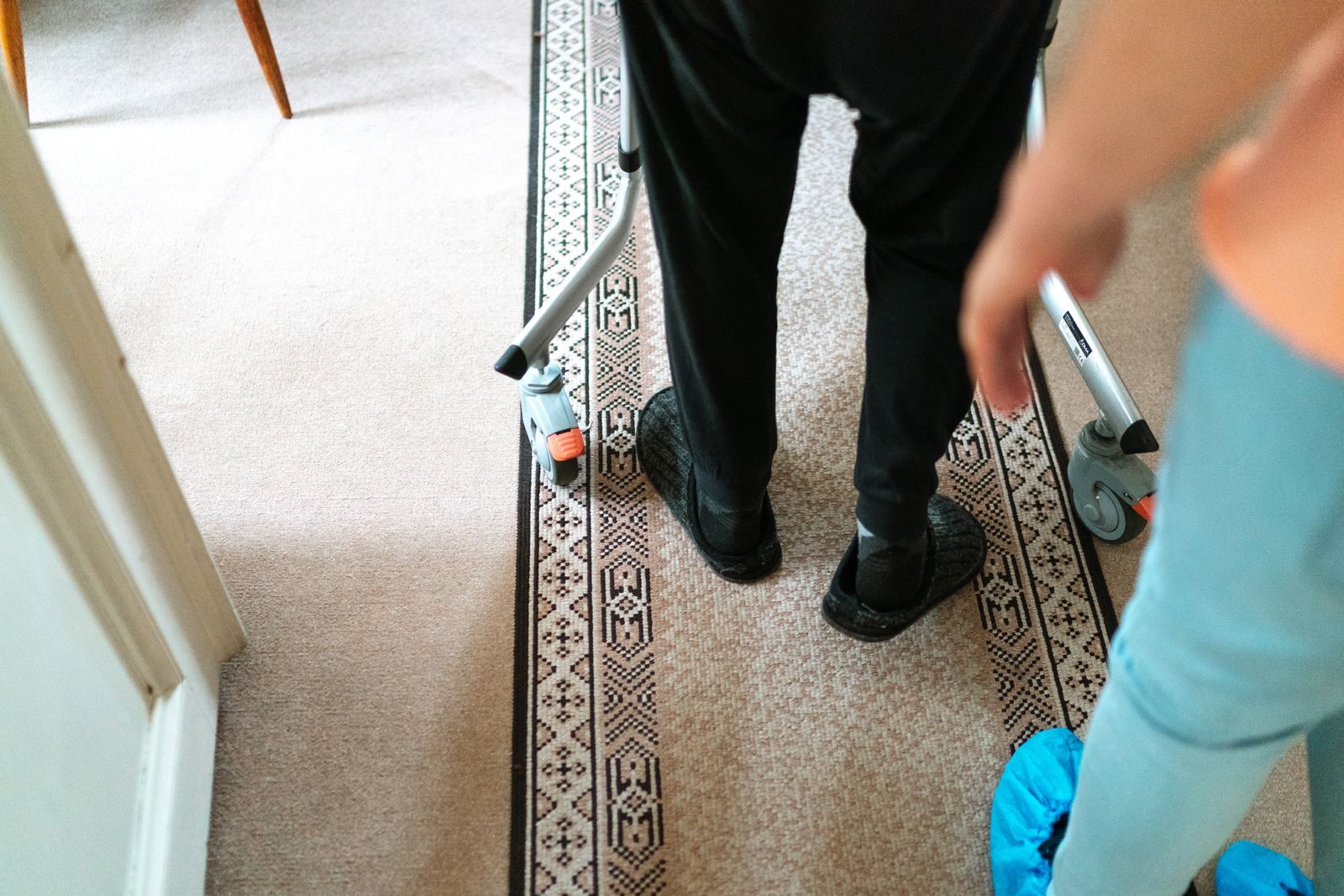
- New or worsening difficulty with balance or walking
- Fatigue or shortness of breath with minor activity
How home care helps:
Caregivers can monitor changes, manage medication reminders, and provide mobility support, significantly lowering the risk of accidents and hospital readmissions.
3. Emotional Decline, Isolation, and Loneliness
Beyond physical health, emotional well-being plays a vital role in aging. Seniors living alone often face long hours of isolation, which can lead to depression, anxiety, or cognitive decline.
Warning signs include:
- Withdrawal from friends, family, or once-enjoyed activities
- Sudden mood changes, irritability, or tearfulness
- Disinterest in hobbies or daily routines
- Expressing feelings of loneliness or being a “burden”
The role of home care:
A caregiver offers more than practical support, they bring companionship. From sharing meals to playing games or taking short walks together, regular human connection combats loneliness and supports mental health.
4. Caregiver Stress and Burnout
Family caregivers often pour their hearts into providing for a loved one. But balancing this role with work, raising children, and maintaining personal health can take a toll. Caregiver burnout is real, and when ignored, it can affect both the caregiver and the loved one receiving care.
Signs of burnout include:
- Constant fatigue or lack of sleep
- Feeling resentful, overwhelmed, or guilty
- Declining health or increased illnesses in the caregiver
- Struggling to keep up with the loved one’s increasing needs
Why this matters: Burnout doesn’t mean failure, it’s a signal that additional support is necessary. By bringing in home care, families can preserve the relationship itself, allowing caregivers to be sons, daughters, or spouses again, not just exhausted providers of care.
5. Concerns About Safety in the Home
The home should be a place of comfort, but for many seniors, it becomes filled with hazards. Small changes in health and cognition can turn ordinary routines into dangerous risks.
Examples of safety concerns:
- Unattended stoves or forgotten appliances left running
- Clutter, loose rugs, or poor lighting leading to trips and falls
- Difficulty navigating stairs or the bathroom without support
- Misplacing, mixing up, or losing track of important medications
How caregivers make a difference:
A trained professional not only assists with daily tasks but also identifies and reduces risks, creating a safer environment for your loved one to remain at home.
Preparing for Home Care: Starting the Conversation Early
Recognizing these signs doesn’t mean it’s time to take away independence. Instead, it’s about providing the right level of support to keep your loved one safe and thriving. Families who start the conversation early often find the transition is smoother, with less resistance and more peace of mind.
Tips for families:
- Frame home care as an addition to independence, not a loss of it.
- Involve your loved one in the decision-making process.
- Start small. Consider part-time help before moving to full-time care.
- Focus on the benefits: safety, companionship, and more quality time together.
Why Families Choose REACH Home Care
At REACH Home Care, we believe every senior deserves care that honors their dignity, independence, and life story. Our motto says it best: “Not to be the biggest, but to be the BEST!”
Whether your family needs a few hours of weekly support or round-the-clock care, our compassionate caregivers provide personalized services designed around your loved one’s needs and preferences. From assistance with daily routines to meaningful companionship, our goal is to bring comfort, confidence, and peace of mind to families just like yours.
Ready to take the next step? Contact us, 509-491-1733, today for a free consultation, and let us show you how professional home care can make life safer, healthier, and more fulfilling, right in the comfort of home.