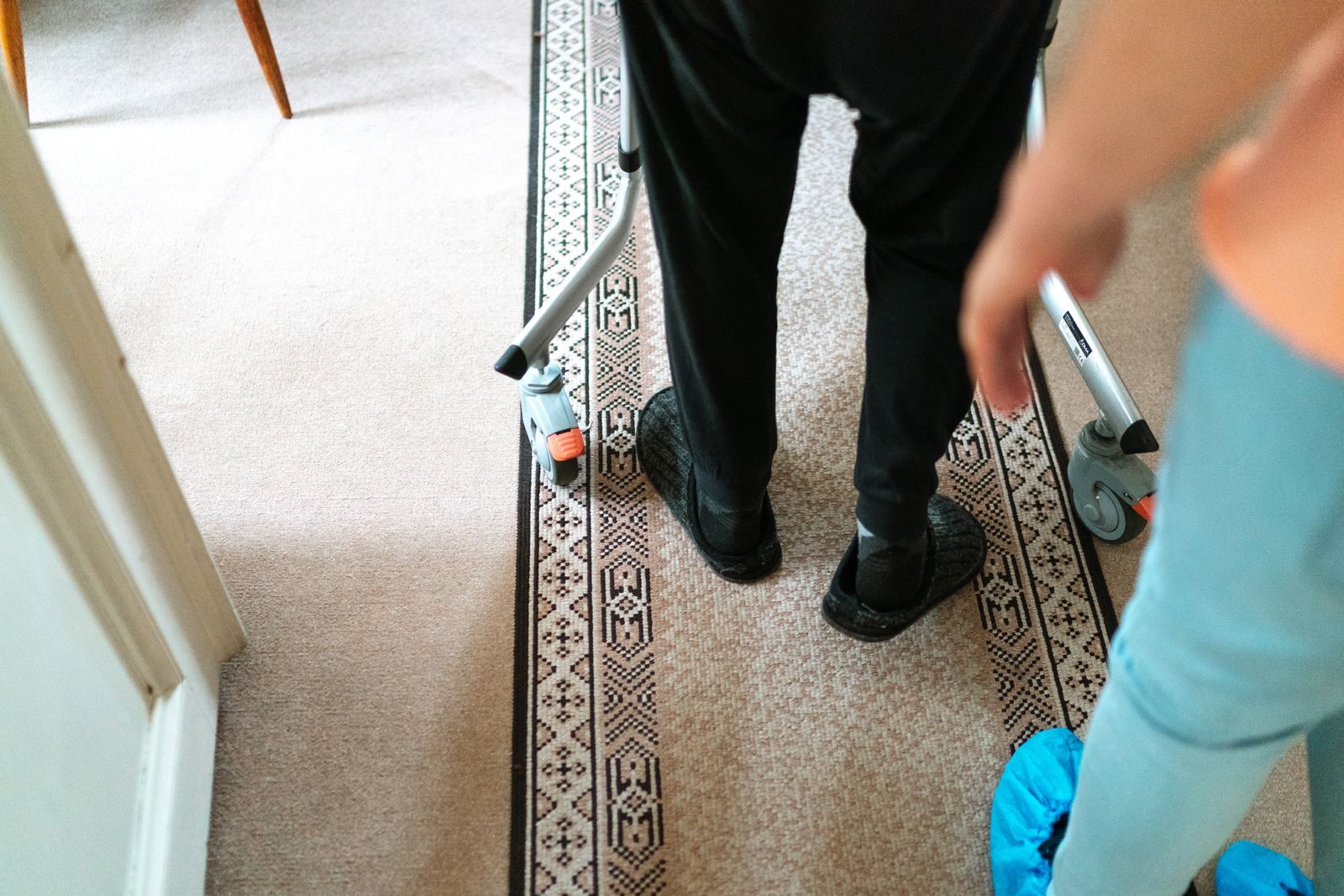
Caring for a loved one at home is a deeply rewarding experience. It is also a demanding one. The daily responsibilities can feel overwhelming, and the emotional and physical toll can build up over time. This is where caregiver respite options become essential. They offer a vital break, a moment to breathe, and a chance to recharge. Understanding these options can help families provide the best care while maintaining their own well-being.
Understanding Caregiver Respite Options
Caregiver respite options are designed to give family caregivers a temporary break from their caregiving duties. These breaks can last from a few hours to several days or even weeks. The goal is to provide relief so caregivers can rest, attend to personal matters, or simply take time for themselves.
There are several types of respite care available:
- In-home respite care: A professional caregiver comes to the home to provide care while the family caregiver takes a break.
- Adult day care centers: These centers offer social activities, meals, and supervision during the day.
- Residential respite care: Short-term stays in a care facility where the loved one receives full-time care.
- Informal respite: Help from friends, family members, or community volunteers.
Each option has its own benefits and can be tailored to fit the unique needs of the family and the person receiving care.

How to Choose the Right Caregiver Respite Option
Choosing the right respite care option depends on several factors. Consider the needs of your loved one, your own needs, and your budget. Here are some steps to guide you:
- Assess the level of care needed: Does your loved one require medical assistance, or is supervision enough?
- Consider the duration of the break: Do you need a few hours, a full day, or longer?
- Evaluate comfort and familiarity: Would your loved one prefer care at home or in a new environment?
- Check availability and cost: Some options may be covered by insurance or community programs.
- Ask about caregiver qualifications: Ensure the respite provider is trained and trustworthy.
Taking time to research and ask questions will help you find the best fit. Remember, the goal is to support both the caregiver and the person receiving care.
Can I Get Paid for Being My Parents’ Caregiver?
Many wonder if they can receive payment for caring for their aging parents. The answer depends on several factors, including state programs and eligibility criteria. Some states offer Medicaid programs that allow family members to be paid caregivers under specific conditions.
Here are some key points to consider:
- Medicaid Consumer Directed Services (CDS): Some states have programs where family members can be hired as paid caregivers for an eligible relative. Eligibility rules, pay rates, and training requirements vary by state.
It is important to research your local resources and speak with a social worker or benefits counselor. They can help you understand what financial support might be available.

The Importance of Taking Breaks for Caregivers
Caregiving is a full-time commitment that can lead to stress, exhaustion, and even health problems. Taking regular breaks is not a luxury - it is a necessity. Respite care allows caregivers to:
- Recharge physically and emotionally: Rest helps prevent burnout.
- Maintain social connections: Time off can be used to see friends or enjoy hobbies.
- Attend to personal health: Doctors’ appointments and self-care become possible.
- Handle other responsibilities: Running errands or managing household tasks without distraction.
When caregivers take care of themselves, they are better able to care for their loved ones. It is a cycle of care that benefits everyone involved.
How to Access Respite Care for Family Caregivers
Finding and accessing respite care can feel overwhelming, but there are many resources to help. Start by reaching out to:
- Local Area Agencies on Aging: They provide information and referrals for respite services.
- Community health organizations: Many offer adult day programs or volunteer respite.
- Home care agencies: Professional agencies can arrange in-home respite care.
- Support groups: Other caregivers can share their experiences and recommendations.
It is helpful to plan ahead and have a respite care plan in place before a crisis occurs. This ensures that when you need a break, support is ready and waiting.
For more detailed information and support, consider exploring respite care for family caregivers.
Embracing Support and Finding Balance
Caregiving is a journey filled with love, patience, and dedication. It is also a journey that requires support. Caregiver respite options provide that support. They offer a chance to rest, recharge, and return to caregiving with renewed strength.
Remember, seeking help is a sign of strength, not weakness. It is an important step toward maintaining balance and ensuring the best care for your loved one. By embracing respite care, families can create a sustainable caregiving environment where everyone’s needs are respected and met.
Taking care of yourself is part of taking care of your loved one. With the right support, you can continue this important role with confidence and compassion.