Why the Time After Hospital Discharge Is So Critical
The Hidden Risks of the Transition Period
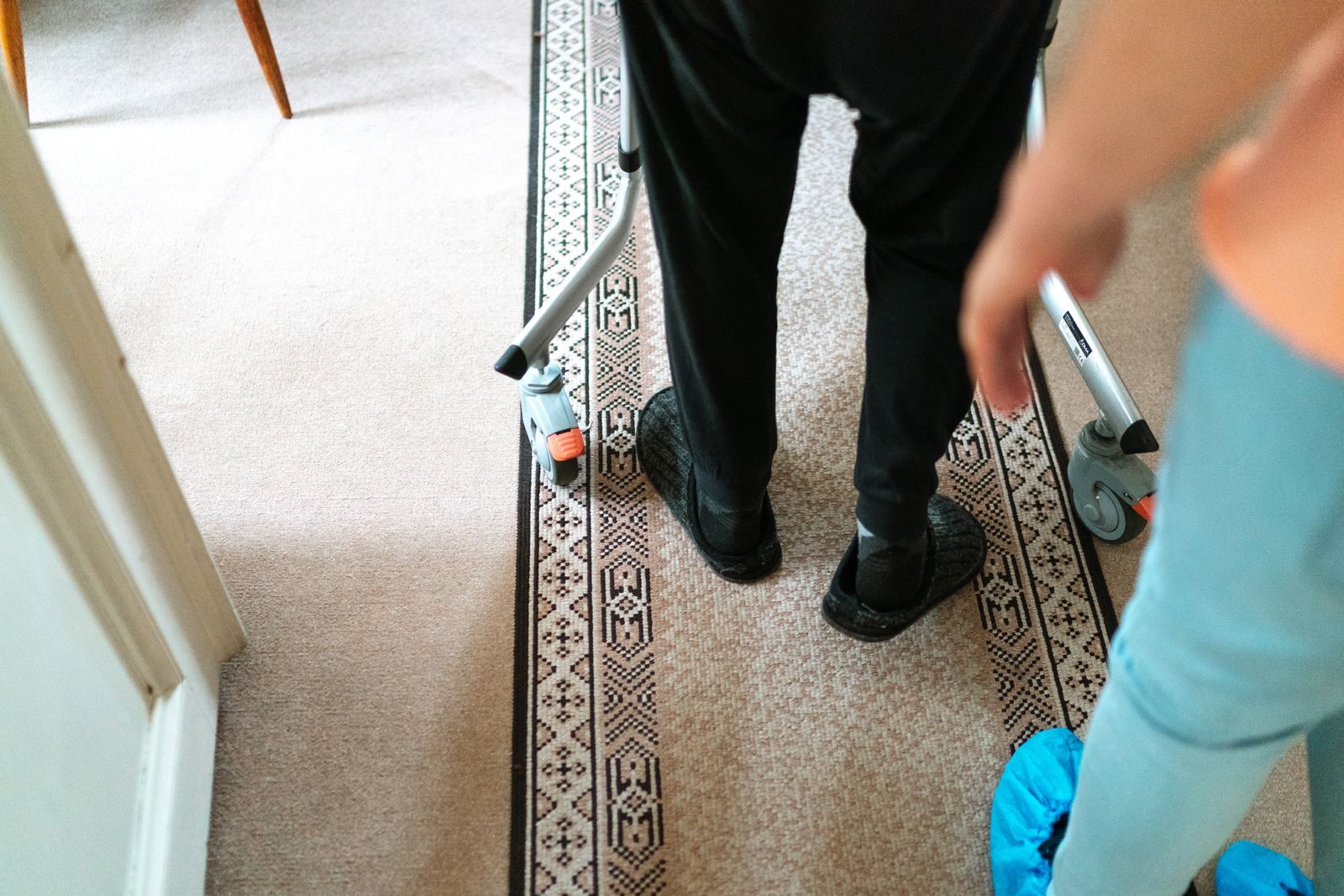
Once discharged, many patients face ongoing challenges: pain, fatigue, mobility limitations, new medications, medical equipment, and emotional stress. Research shows the first 72 hours and the first 30 days after discharge are when people are especially vulnerable to complications and readmissions.
Establishing a Safe Recovery Foundation
Having a care plan, a safe home environment, and consistent emotional and physical support dramatically improves recovery outcomes.
What Is After Hospital Care?
Post-Hospital Care and Post-Acute Care Explained
Post-hospital care, also known as post-acute care, includes a comprehensive range of medical and supportive services designed to help patients transition safely after a hospital stay.
Its primary goals are to:
- Promote healing
- Restore strength and mobility
- Reduce hospital readmissions
- Support independence
Post-acute care can last anywhere from a few weeks to several months, depending on the patient’s health condition and recovery progress.
Where Post-Hospital Care Is Provided
Patients may receive care in different settings, including:
- At home with caregivers or home health services
- Skilled nursing facilities (SNFs) for those requiring 24-hour medical supervision
- Outpatient therapy centers for rehabilitation sessions
- Rehabilitation facilities for intensive therapy programs
These settings vary based on medical complexity, supervision needs, and insurance coverage.
Types of Post-Hospital Care
Home Health Services (Medical Care at Home)
Home health is a medical service delivered in the patient’s home. It may include:
- Wound care
- Injections or medication administration
- Monitoring of vitals and symptoms
- Nursing visits
- Physical, occupational, or speech therapy
These services are typically ordered by a Registered Nurse and may be covered by Medicare or private insurance.
Outpatient Therapy
Patients travel to a clinic for therapy sessions, including:
- Physical therapy
- Occupational therapy
- Speech therapy
Outpatient therapy is ideal for individuals who can safely leave home and need structured rehabilitation several times per week.
Skilled Nursing Facilities (SNFs)
SNFs are medical facilities that provide:
- 24-hour skilled nursing care
- Physical and occupational therapy
- IV treatments
- Wound care
- Supervision for complex medical conditions
They are often recommended after major surgery, stroke, or when a patient requires around-the-clock monitoring.
Rehabilitation Programs
Rehabilitation focuses on regaining strength, mobility, and functionality following:
- Orthopedic surgery
- Stroke
- Serious injury
- Long-term illness
These programs may be offered in a rehab facility, SNF, or through home health agencies.
Personal Care Aides (Non-Medical Support)
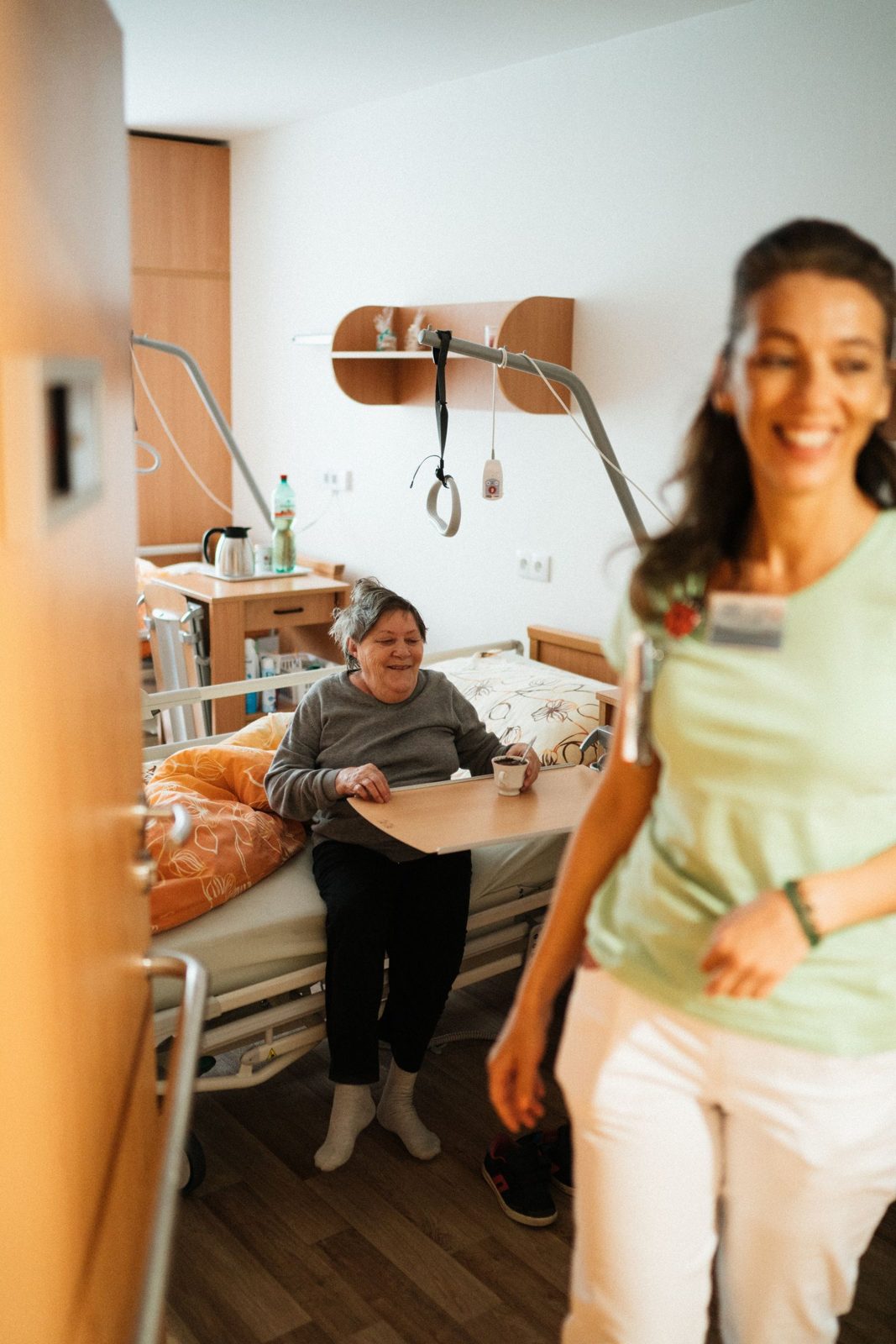
Personal care aides, like the caregivers at Reach Home Care, assist with:
- Bathing, dressing, and grooming
- Mobility and transfers
- Meal preparation & feeding assistance
- Medication reminders
- Light housekeeping
- Companionship
These services support everyday living and are essential during the transition back home.
Why In-Home Post-Hospital Care Is So Important
Lower Risk of Readmission
Professional in-home care helps prevent common causes of readmission, such as falls, dehydration, medication errors, and complications from improper self-care.
Faster, More Comfortable Recovery
Patients heal better when they are in familiar surroundings and can follow routines that promote rest, nutrition, and therapy adherence.
Emotional Support and Reduced Stress
Recovering from a hospitalization is often emotionally overwhelming. Companionship and reassurance help reduce anxiety, isolation, and depression.
Less Burden on Families
Families can avoid burnout and feel confident knowing trained caregivers are providing safe, consistent care.
Home-Based After Hospital Care With Reach Home Care

While post-acute care can occur in many settings, home-based care is increasingly preferred by families who want comfort, safety, and personalized attention. At Reach Home Care, we specialize in providing the supportive, non-medical aspects of recovery at home.
Key Services Included in After Hospital Care
Care Coordination and Discharge Support
- Reviewing discharge instructions
- Communicating with hospital staff
- Setting up equipment and safety modifications
- Scheduling follow-up appointments
- Coordinating with home health nurses or therapists
Medication Management
- Reminders for medication schedules
- Help organizing pillboxes
- Monitoring for changes or concerns
- Support in following physician instructions
Mobility Assistance and Fall Prevention
- Walking and transfer support
- Bathroom and shower safety
- Using mobility aids properly
- Removing hazards from the home
Nutrition and Hydration Support
- Cooking healthy meals for healing
- Encouraging hydration
- Accommodating dietary restrictions
- Ensuring regular eating schedules
Personal Care and Daily Living Support
- Bathing, dressing, grooming
- Toileting assistance
- Laundry and light housekeeping
- Help with errands and household tasks
Companionship and Emotional Support
- Meaningful conversation and reassurance
- Assistance with hobbies or social activities
- Encouragement during recovery
Enhanced Support During the First 72 Hours
This critical window requires special attention to safety, symptom monitoring, medication routines, and stability.
Choosing the Right Post-Hospital Care Option
1. Patient Needs
The type and intensity of post-acute support depend on:
- Mobility level
- Cognitive function
- Wound care needs
- Therapy recommendations
- Daily living abilities
- Emotional support needs
Families should discuss these factors with the discharge planner, therapist, and home care provider.
2. Insurance Coverage
Before discharge, it’s essential to confirm what is covered by:
- Medicare
- Medicaid
- Private insurance
- Supplemental insurance
Coverage varies widely depending on medical necessity and care setting. Reach Home Care is able to accept many long-term care policies and can assist you with navigating the insurance process.
3. Recovery Timeline
Recovery can last weeks or months. Preparing for short-term care needs and potential long-term assistance ensures safety and reduces stress.
How Reach Home Care Supports a Smooth Hospital-to-Home Transition
Step 1: Free Consultation and Planning
We review the patient’s medical history, discharge plan, home layout, mobility status, and support needs.
Step 2: Personalized Care Plan Creation
Each client receives a custom recovery plan tailored to their health status and independence goals.
Step 3: Home Preparation Before Arrival
We help ensure the home is safe by clearing walkways, preparing equipment, improving lighting, and organizing daily essentials.
Step 4: Enhanced Support During the First 72 Hours
Our caregivers provide intensive support during this high-risk period to stabilize routines, monitor for issues, and ensure safety.
Step 5: Ongoing Monitoring and Progress Updates
We adjust the care plan as needed and communicate regularly with family and other care providers.
Who Benefits Most From After Hospital Care?
- Seniors living alone
- Adults recovering from surgery
- Patients with mobility limitations
- Individuals with complex medication schedules
- Clients with memory issues or cognitive decline
- Patients returning home with new equipment
- Anyone needing support until they regain independence
How Families Can Prepare for a Safe Transition Home
Before Discharge
- Meet with the discharge planner early
- Understand medication and therapy requirements
- Ask what services are medically recommended
- Arrange home care in advance
- Prepare the home for safety
During the First 72 Hours
- Ensure continuous supervision
- Establish routines
- Follow discharge instructions strictly
- Prioritize nutrition, hydration, and rest
Ongoing Recovery
- Maintain communication with providers
- Encourage therapy and exercise
- Support mental and emotional health
- Adjust the care plan as the recovery evolves
Why Choose Reach Home Care?
- Fast, flexible scheduling, often same-day
- Personalized, compassionate care
- Experienced caregivers trained in post-hospital support
- Hourly, overnight, and 24-hour care options
- Strong communication with families
- Focus on safety, comfort, and dignity
- Locally trusted in the Tri-Cities community
Schedule Your Free Consultation With Reach Home Care
A return home after hospitalization doesn’t have to be overwhelming. With the right care in place, your loved one can recover with comfort, confidence, and peace of mind.
Call Reach Home Care today at 509-491-1733 to schedule a free, no-obligation consultation and learn how our Hospital-to-Home Care services can support your loved one’s recovery.