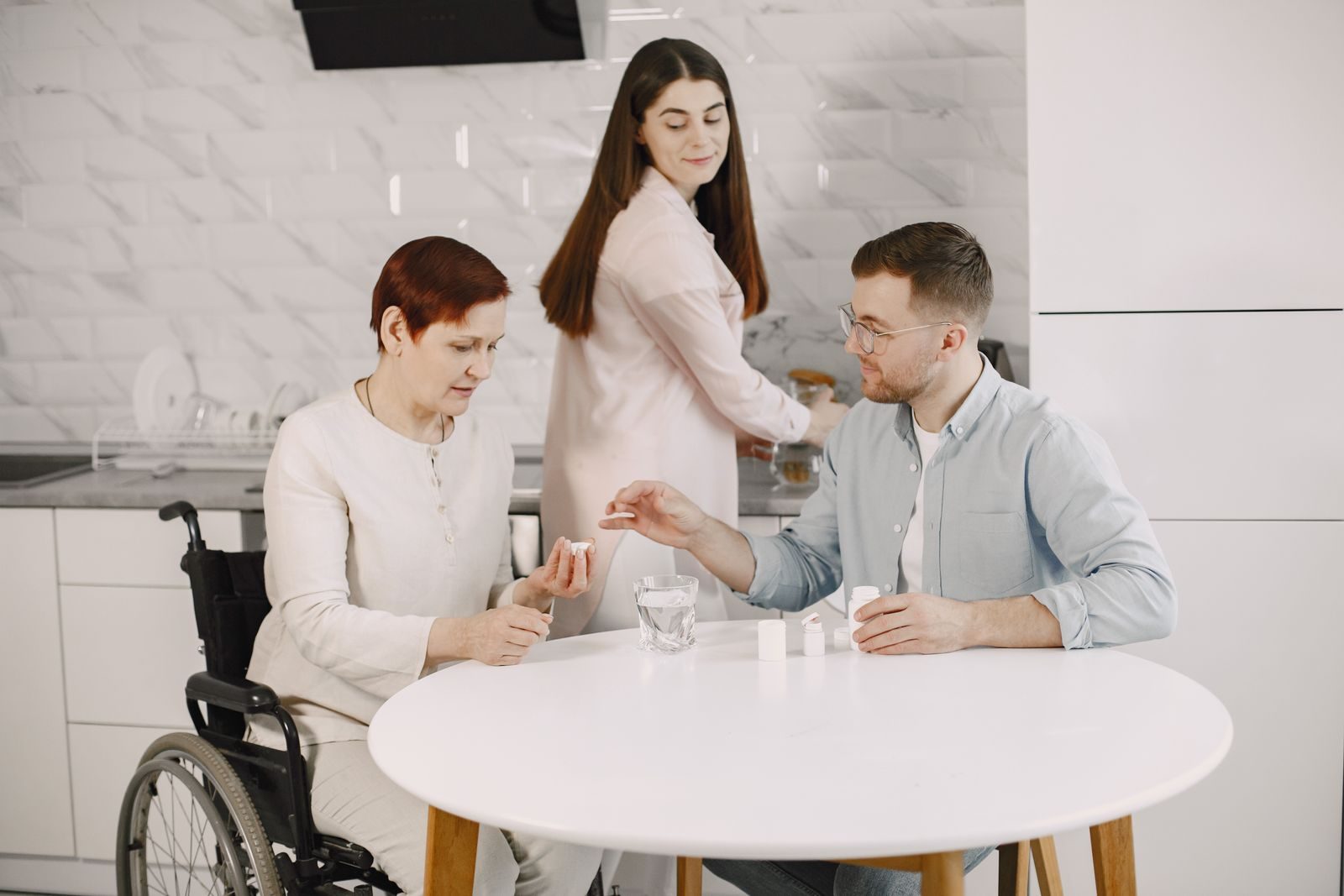
Caring for seniors is a journey filled with compassion, respect, and understanding. Every individual has unique needs, preferences, and life stories that shape how they want to be cared for. Tailored care approaches recognize this individuality and focus on providing support that honors each person’s dignity and choices. This kind of care creates a warm, safe environment where seniors feel valued and empowered.
When we talk about tailored care approaches, we are referring to methods that adapt to the specific needs of each senior. This means listening carefully, observing closely, and responding thoughtfully. It is about more than just meeting physical needs; it is about nurturing emotional well-being, social connections, and personal identity. This approach helps seniors maintain their independence and quality of life while receiving the support they need.
The Importance of Tailored Care Approaches for Seniors
Tailored care approaches are essential because no two seniors are the same. Each person has a unique history, personality, and set of preferences. When care is personalized, it respects these differences and promotes a sense of control and comfort. This approach can reduce feelings of loneliness, confusion, and frustration that sometimes come with aging or health challenges.
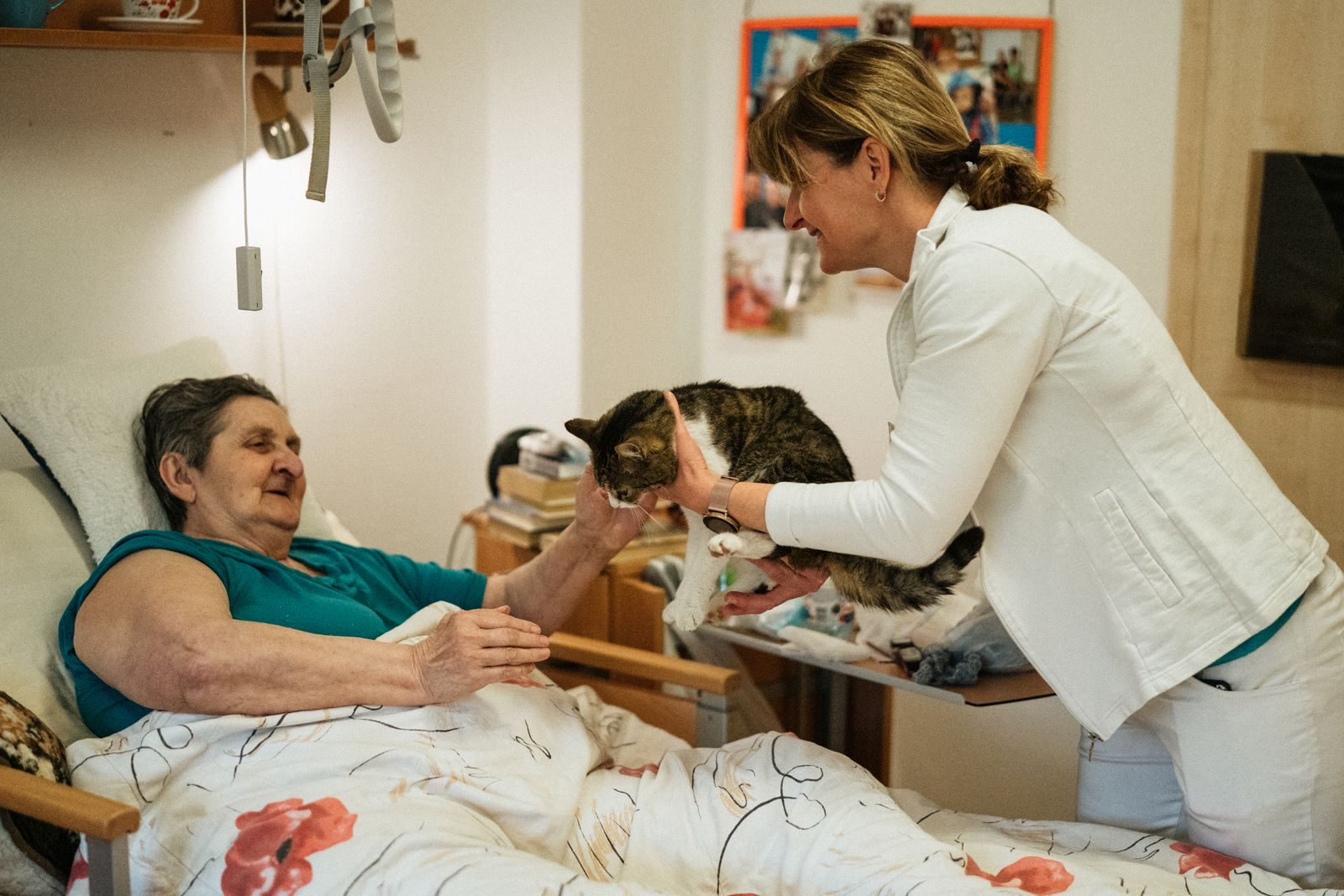
For example, a senior who loves gardening might benefit from care that includes time outdoors or activities related to plants. Another person might find joy in music or storytelling. Tailored care approaches ensure these interests are part of daily life, making care more meaningful and enjoyable.
Moreover, tailored care can improve health outcomes. When care providers understand a senior’s habits, routines, and preferences, they can better support medication management, nutrition, and physical activity. This leads to fewer hospital visits and a stronger sense of well-being.
How Tailored Care Approaches Enhance Daily Life
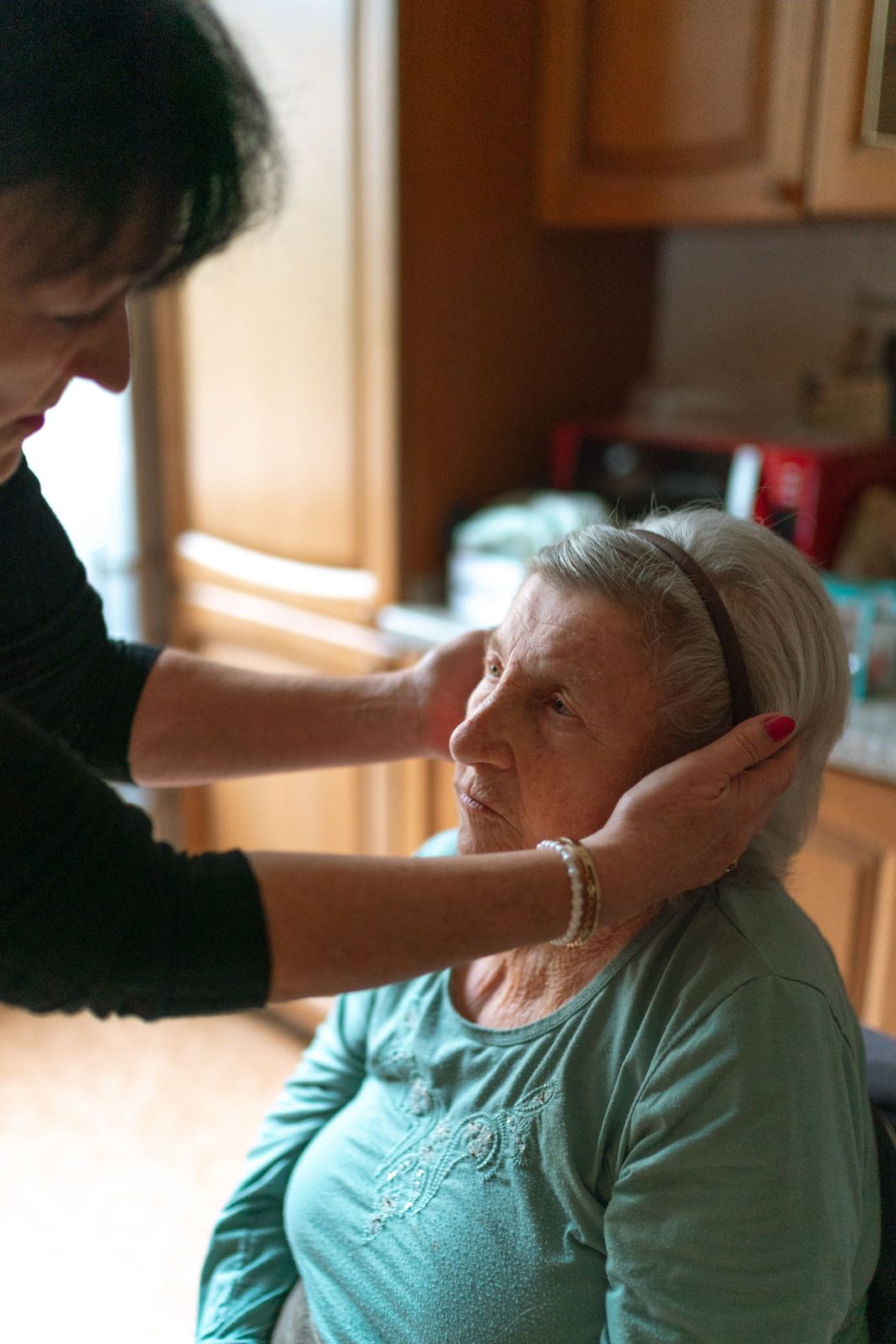
Tailored care approaches enhance daily life by focusing on what matters most to each senior. This means creating routines that fit their lifestyle and preferences. For instance, some seniors prefer to wake up early and enjoy breakfast quietly, while others might like a later start with social interaction. Respecting these choices helps seniors feel more in control and less stressed.
In practical terms, tailored care might include:
- Adjusting meal plans to accommodate dietary preferences or restrictions.
- Scheduling activities that align with the senior’s interests and energy levels.
- Providing assistance with personal care in a way that preserves dignity and privacy.
- Encouraging social connections with family, friends, or community groups.
- Offering emotional support through active listening and empathy.
These small but significant adjustments make a big difference. They create a sense of normalcy and joy, even when health challenges arise.
What are examples of person-centred care?
Person-centred care is a powerful example of tailored care approaches. It puts the individual at the heart of all decisions and actions. Here are some specific examples:
- Customized Care Plans Care plans are developed with input from the senior and their family. These plans reflect personal goals, preferences, and routines. For example, if a senior enjoys morning walks, the care plan includes time for this activity.
- Respecting Cultural and Spiritual Beliefs Care providers honor cultural traditions and spiritual practices. This might mean accommodating dietary laws, celebrating holidays, or supporting prayer routines.
- Flexible Scheduling Instead of rigid schedules, care is adapted to the senior’s natural rhythms. If a senior prefers to nap in the afternoon, care providers adjust their visits accordingly.
- Encouraging Independence Seniors are supported to do as much as they can on their own. This might include dressing, cooking simple meals, or managing medications with supervision.
- Building Relationships Care providers take time to know the senior’s life story, interests, and personality. This builds trust and makes care more personal and effective.
These examples show how person-centred care creates a supportive environment where seniors feel seen, heard, and respected.
Practical Tips for Families Supporting Tailored Care
Families play a vital role in supporting tailored care approaches. Here are some practical tips to help families advocate for and participate in personalized care:
- Communicate Openly
Share detailed information about the senior’s preferences, routines, and health needs with care providers. Regular updates help keep care aligned with changing needs.
- Involve the Senior
Encourage the senior to express their wishes and participate in care decisions. This promotes autonomy and satisfaction.
- Observe and Share
Notice what activities or routines bring joy or discomfort. Share these observations with caregivers to improve care quality.
- Create a Comfortable Environment
Personalize the living space with familiar items, photos, and favorite belongings. This helps seniors feel at home and secure.
- Stay Connected
Maintain regular contact through visits, calls, or video chats. Social connection is a key part of emotional well-being.
By working together, families and care providers can create a nurturing environment that truly reflects the senior’s needs and desires.
Embracing a Compassionate Future with Tailored Care
The future of senior care lies in embracing tailored care approaches that honor individuality and promote dignity. As more families seek in-home care options, providers who focus on personalized support will lead the way in creating positive experiences for seniors.
Choosing care that adapts to each person’s unique story helps seniors age comfortably and happily in their own homes. It also offers peace of mind to families, knowing their loved ones are treated with kindness and respect.
If you are exploring care options, look for providers who prioritize listening, flexibility, and empathy. These qualities are the foundation of effective tailored care approaches. Together, we can build a community where every senior feels valued, supported, and at peace.
For more information on how to provide compassionate and individualized support, consider learning about person centered care and how it can transform the experience of aging at home.
Thank you for taking the time to understand the importance of tailored care approaches. Your commitment to compassionate care makes a meaningful difference in the lives of seniors and their families.